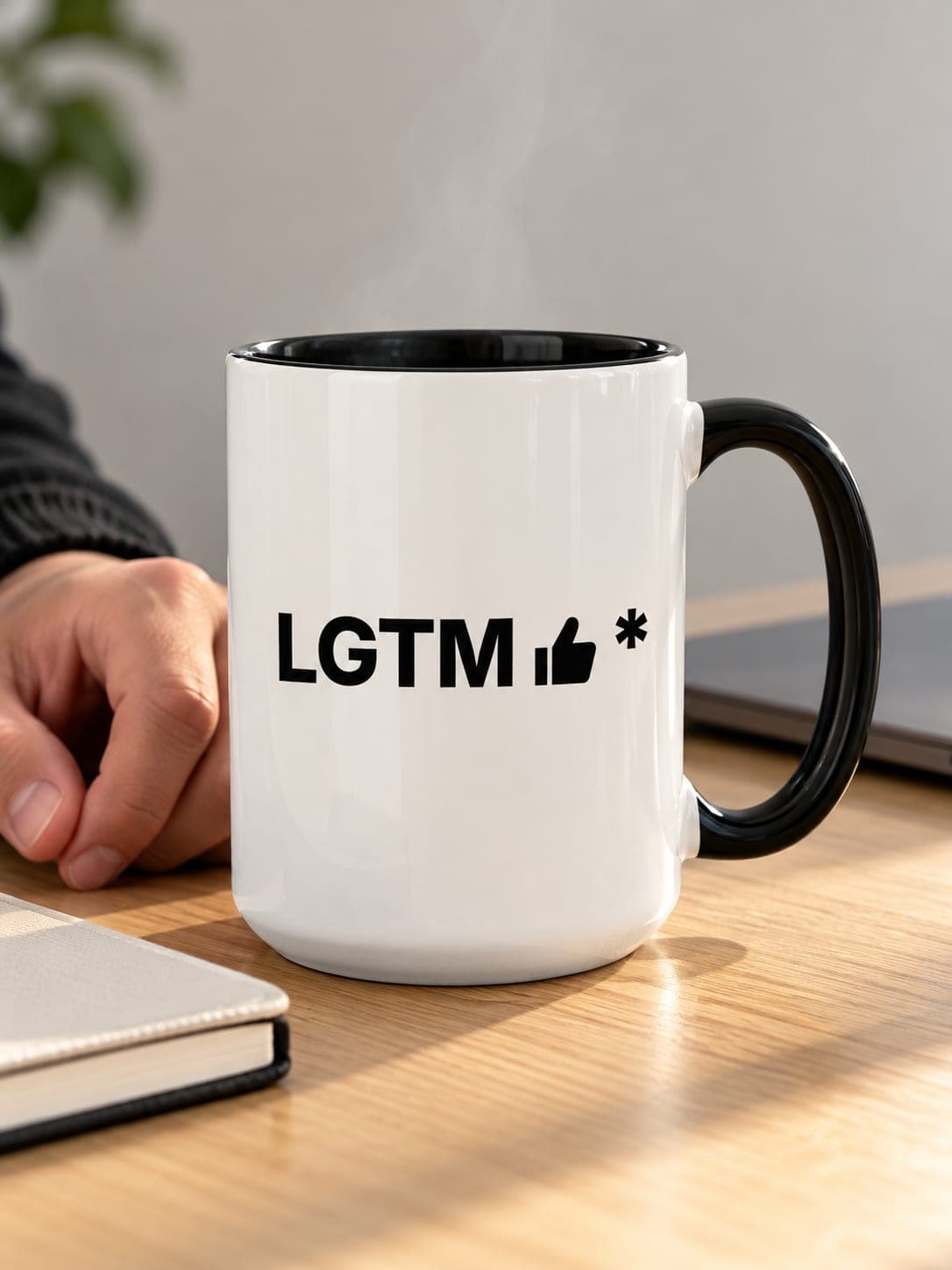
LGTM is short for “looks good to me.” In code review it means the reviewer has looked at the change and has no objections. On its own it is informal. Paired with an approval in the review tool, it is the thing that lets the change merge.
The abbreviation is older than GitHub. It shows up in mailing-list patch reviews and in early web review tools, and Gerrit still labels its review scores in the same words: +1 is “Looks good to me, but someone else must approve” and +2 is “Looks good to me, approved.” On GitHub and GitLab the formal action is the Approve button. LGTM is what people type in the comment box next to it.
A good LGTM says what was checked. “LGTM, ran it locally and the migration is reversible” tells the author and every future reader that someone looked. A bare LGTM on a 2,000-line diff, posted four minutes after the request, tells them something else. Teams sometimes call that a rubber stamp.
If you are reviewing, it is fine to approve with a scope: “LGTM for the API changes, did not review the CSS.” If you are the author, make the review easy to do properly. Keep the change small, write a description that says what to look at, and point to the risky part.
Related shorthand you will see: PTAL (please take another look), SGTM (sounds good to me), WIP (work in progress) and nit (a small, non-blocking comment).
The VibeTokens piece prints the approval on the front as “LGTM 👍*” and keeps the footnote on the back. The asterisk is doing a lot of work.
In the wild
LGTM. Ran the migration up and down locally, both clean. Ship it after CI.